Key Takeaways
- Most patients who reach voicemail do not leave a message and will call a competitor instead.
- A practice missing 10 calls a day could be losing over $70,000 in potential annual revenue.
- The cost of missed calls extends to staff time wasted on "callback tag" and lost long-term patient value.
- After-hours call volume is a significant, often unmonitored, leak for new patient opportunities.
- AI Dental Receptionists capture revenue 24/7 by providing real responses when humans are unavailable.
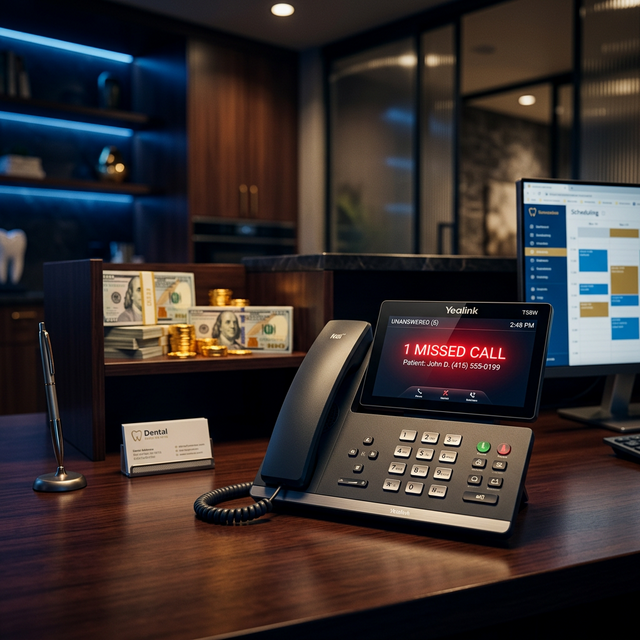
Most dental practice owners know that missed calls are a problem. What is harder to see is exactly how much that problem costs. It is easy to think of a missed call as a minor inconvenience. Someone calls, nobody answers, they leave a voicemail or call back later. But the data tells a different story.
Most Patients Who Get Voicemail Do Not Call Back
Studies on consumer call behavior consistently show that a significant portion of callers who reach voicemail do not leave a message and do not call back. In a world where patients have more options than ever and switching practices is frictionless, voicemail is often the end of the conversation.
That means every unanswered call is not a delayed appointment. In many cases, it is a lost one.
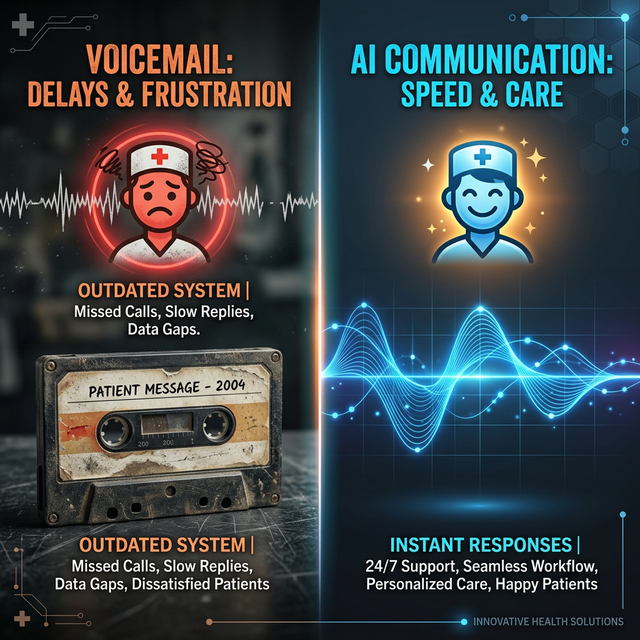
Voicemail ends conversations. AI starts them.
Running the Numbers
Here is a simple way to think about the math. If your practice misses an average of 10 calls per day, five days a week, that is roughly 200 missed calls per month. If even 30 percent of those represent a genuine new patient or appointment opportunity, you are looking at 60 lost opportunities monthly.
With an average new patient value of $800 to $1,200 over their first year, 60 missed opportunities a month translates to somewhere between $48,000 and $72,000 in potential annual revenue that never materialized.
That is not a rounding error. That is a real line on the practice's financial picture.
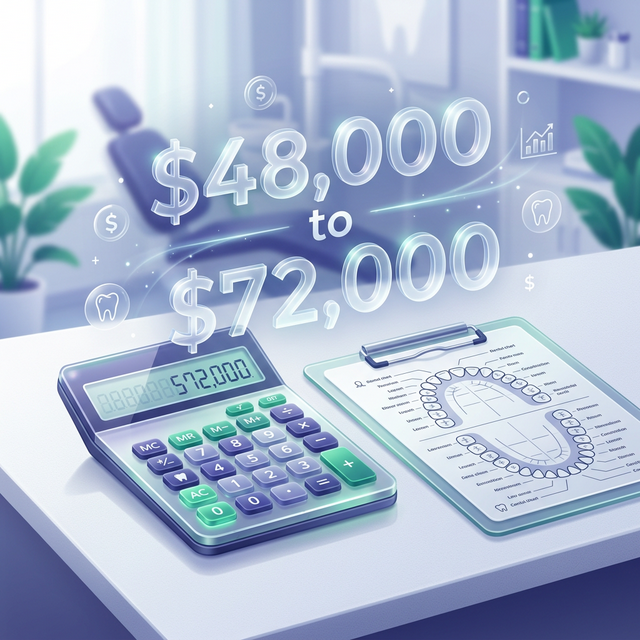
The math of missed calls: A silent drain on your practice's bottom line.
The Hidden Cost Beyond Revenue
Missed calls do not just cost money directly. They create downstream problems too. A patient who cannot reach your office calls somewhere else. That practice gets the appointment, builds the relationship, and keeps the patient long term. You not only lost one appointment. You lost a patient who might have stayed for years and referred their family.
There is also a staff cost. Every missed call that results in a voicemail creates a callback task. Someone has to find the message, carve out time to return the call, and hope the patient is available. That cycle consumes front desk time that could be spent on patients who are already in the building.
After-Hours Is Where the Problem Gets Worse
The missed call problem does not stop when the office closes. Patients with busy daytime schedules often call in the evenings or on weekends. Without coverage during those windows, every one of those calls goes to voicemail by default.
PatientXpress AI Dental Receptionist answers calls around the clock. Whether a patient calls at 7pm on a Tuesday or 9am on a Saturday, they get a real response, not a recording.
Recovering What Was Being Lost
Across practices using PatientXpress, the AI proactively follows up on flagged missed calls before they go cold. It does not wait for a staff member to find time. It reaches out, keeps the conversation moving, and gives the practice a real shot at recovering revenue that would otherwise disappear.
"The question is not whether missed calls are costing your practice money. They are. The question is how long you want to keep absorbing that cost before doing something about it."
Stop Losing Revenue to Your Phone System
Calculate your practice's hidden revenue leak and see how PatientXpress AI can turn missed calls into booked appointments.
Request a Revenue Leak Audit